
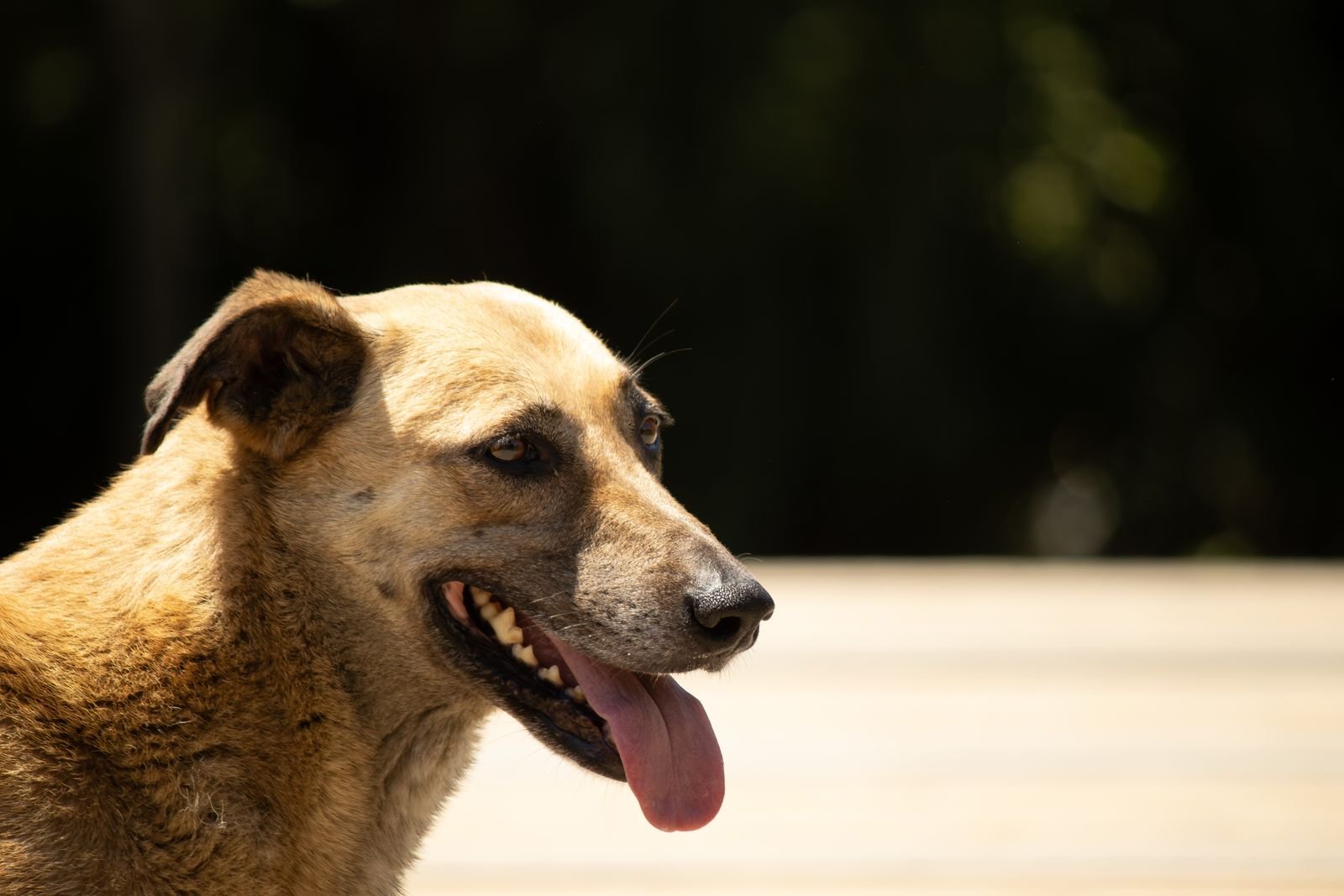
Heatstroke happens when a pet cannot cool down fast enough, and it can turn deadly within minutes. In Rossmoor and the warmer inland parts of Walnut Creek, dogs and cats are most at risk during afternoon heat. Watch for heavy panting, drooling, weakness, or collapse, cool your pet right away, and never leave a pet in a parked car.
While the Bay Area coast stays cool and foggy, summers in Walnut Creek and the inland East Bay can climb well into the 90s and beyond. For pets in the Rossmoor and Tice Valley area, that heat is more than uncomfortable, it can be life-threatening. Heatstroke is one of the most common summer emergencies we see, and it is also one of the most preventable. Knowing how to recognize, prevent, and respond to it could save your dog or cat’s life this season.
Why Walnut Creek Summers Put Pets at Risk
Dogs and cats do not sweat the way people do. They cool themselves mainly by panting, which becomes far less effective as the temperature and humidity rise. On a hot inland afternoon in Walnut Creek, a pet can overheat quickly, especially during walks, play, or stretches of time outdoors without shade and water.
Some pets carry even greater risk. Flat-faced breeds such as Bulldogs and Pugs, overweight pets, very young or senior animals, and those with heart or breathing conditions all struggle more in heat. One warning is worth repeating every summer: never leave a pet in a parked car. Even on a mild day with the windows cracked, the interior can reach deadly temperatures within minutes.
Recognizing the Warning Signs of Heatstroke
Early heatstroke can look like simple tiredness, which is exactly what makes it dangerous. Watch for heavy or frantic panting, thick drooling, bright red gums, weakness or stumbling, vomiting or diarrhea, and confusion or restlessness. As it advances, a pet may collapse, have seizures, or lose consciousness.
Heatstroke is a true emergency, and every minute counts, because internal organ damage can begin quickly. If you suspect it, begin cooling your pet right away and contact our urgent care team. We can provide same-day treatment and the diagnostics needed to assess how seriously your pet has been affected. Many of the same red flags appear in our guide on the signs your dog needs immediate veterinary attention, and heat is a frequent trigger.
How to Prevent Heatstroke at Home
Prevention is straightforward and effective. Walk your dog in the early morning or the evening when it is cooler, and avoid hot pavement that can burn paw pads. Always provide shade and fresh water outdoors, and keep pets inside during the hottest part of the day. Ease back on vigorous exercise during heat waves, and never leave a pet unattended in a vehicle for any length of time.
Indoor comfort matters too. Make sure a home without strong air conditioning still has good airflow and a cool spot to rest. Cooling mats, access to tile floors, and a steady supply of fresh water all help pets regulate their temperature on the hottest days. A yearly check through our medical services is also a good time to flag any breed or health factor that makes your pet more heat-sensitive.
What to Do in a Heat Emergency
If you suspect heatstroke, move your pet to a cool, shaded area immediately. Offer small amounts of cool, not ice-cold, water, and wet the body with cool water while focusing on the belly, armpits, and paws. Then get to a veterinarian without delay. Even a pet that appears to recover can develop internal complications, so a prompt exam is important regardless of how quickly they seem to bounce back.
Worried your pet may be overheating this summer? See how our same-day team can help on our urgent care page, or call us at (925) 322-2262. When it comes to heat, acting early is always safer.
Frequently Asked Questions
At what temperature does heatstroke become a risk?
There is no single safe number, because humidity, exercise, shade, and your pet’s breed and health all matter. Risk rises notably once temperatures reach the 80s and 90s, and flat-faced or senior pets can struggle even sooner.
Can indoor pets get heatstroke?
Yes. A home without air conditioning or good airflow can overheat on a hot day. Make sure indoor pets always have a cool spot and fresh water available.
Should I put my overheated pet in ice-cold water?
No. Ice-cold water can cool too fast and cause other problems. Use cool water and focus on the belly, armpits, and paws while you head to the vet.
My dog seemed to recover after cooling down. Do I still need a vet?
Yes. Heatstroke can cause internal damage that is not visible right away. A pet that appears to bounce back should still be examined promptly.
Are some breeds more prone to heatstroke?
Yes. Flat-faced breeds, thick-coated breeds, overweight pets, and very young or senior animals are all at higher risk and need extra care in the heat.