
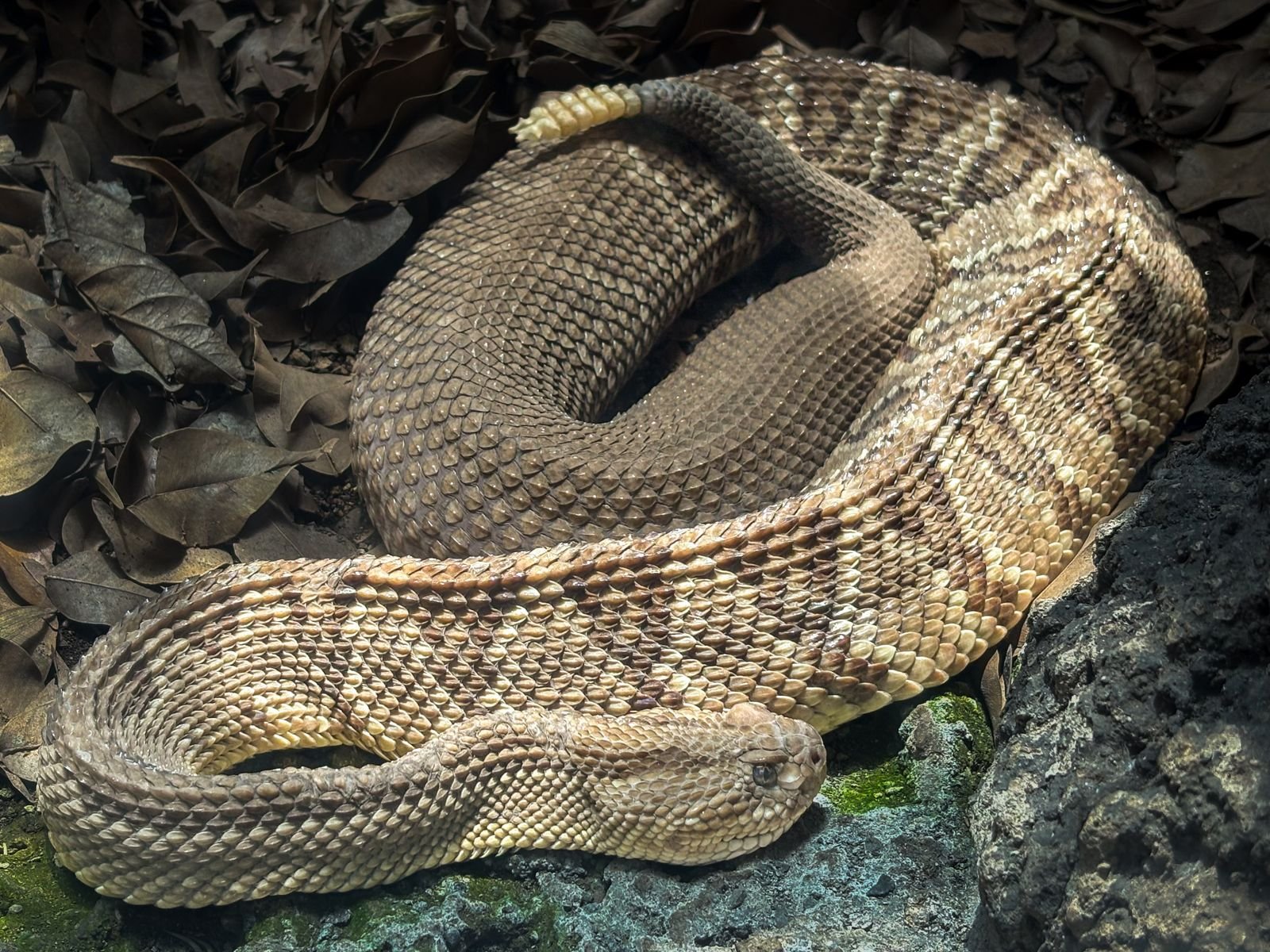
Rattlesnakes become active on East Bay trails and hillsides during warm, dry months, and curious dogs can be bitten when they sniff into tall grass or rock piles. If your dog may have been bitten, keep them calm and as still as possible, carry them if you can, and go to the nearest veterinary hospital right away.
Why warm, dry months bring rattlesnakes out
Rattlesnakes are a natural part of the East Bay landscape, and the grassy hillsides around Walnut Creek and Rossmoor are exactly the kind of country they favor. Because snakes depend on outside warmth to stay active, the long sunny days of late spring and summer draw them out of winter shelter and onto warm rocks, dirt paths, and open slopes where they bask and hunt.
As the season goes on and the grass dries to gold, snakes move between sunny spots and shade through the day. In hot weather they often shift their activity toward the cooler hours around dawn and dusk, which happen to be the same pleasant hours many of us choose for a dog walk. That overlap is why summer is the season to stay alert on East Bay open spaces and trails.
How dogs and rattlesnakes usually meet
Most encounters start with simple canine curiosity. Dogs explore the world nose first, and a rustle in tall grass, a shady gap under a rock pile, or a scent trail into the brush is an invitation they find hard to resist. When a dog pushes its face into a spot where a snake is resting, a defensive strike often lands on the muzzle, face, or a front leg.
Rattlesnakes are well camouflaged and would generally rather avoid a confrontation than have one. The famous rattle is a warning, but dogs do not understand what it means, and an off-leash dog ranging ahead of you can find a snake long before you see or hear anything. These moments unfold in seconds, which is why prevention and quick recognition matter so much.
Signs your dog may have been bitten
A bite often announces itself with a sudden yelp and a dog that jumps back from a bush, log, or patch of grass. Within a short time you may notice rapid swelling, most often on the face, muzzle, or a leg. There may be one or two small puncture marks, though these can be hard to spot under fur, and the area is usually painful to the touch.
Other possible signs include drooling, restlessness, trembling, weakness, or a dog that suddenly seems dull and reluctant to move. Signs can vary from dog to dog and do not always appear all at once. If you even suspect a rattlesnake bite, treat it as an emergency and head to the nearest veterinary hospital right away rather than waiting to see how things develop.
What to do if you suspect a bite
First, take a breath and stay calm, because your dog will take cues from you. Keep your dog as quiet and still as possible, since activity and excitement move venom through the body faster. If your dog is small enough to lift, carry them back to the car instead of letting them walk, and keep the walk slow and gentle if carrying is not possible.
Then get moving toward help. Go to the nearest veterinary hospital right away, and if you can, have someone call ahead while you drive so the team knows you are coming. Time matters with snakebites, and calm, prompt transport is the single most useful thing an owner can do. Everything else can wait until your dog is in professional hands.
What not to do after a snakebite
Old first-aid folklore causes real harm here. Do not apply a tourniquet, do not cut the wound, and do not try to suck out the venom. None of these help, and all of them can damage tissue, cause pain, or waste precious minutes. Skip ice packs and cold water soaks too, since cooling the area can make tissue injury worse rather than better.
Just as important, do not adopt a wait-and-see approach, because a bite that looks minor at first can become serious as time passes. And leave the snake alone. Do not try to catch or kill it for identification, and never handle a snake that appears dead. Your job is simply to get your dog to a veterinary hospital quickly and safely.
Preventing encounters on East Bay trails
The best snakebite is the one that never happens. Stick to wide, open trails where you can see the ground ahead, and keep your dog on a leash so their nose stays out of tall grass, rock piles, woodpiles, and brushy trail edges. Give any snake you do see a wide berth and calmly walk your dog away rather than letting them investigate.
Be extra watchful in the cooler hours around dawn and dusk during hot spells, and take a moment to scan sunny patches of trail where a snake might be warming itself. At home in neighborhoods near open space, keeping grass trimmed and tidying wood or rock piles makes your yard less inviting. Simple habits like these prevent most close calls before they start.
Planning ahead for a safe summer with your dog
A little preparation makes summer outings far less stressful. Before you head out, know which veterinary hospitals are closest to where you walk, keep your phone charged, and bring water for your dog. If you are ever unsure whether a situation can wait, our urgent care team can help you talk it through during our open hours.
It also helps to start the season with a healthy dog. Our medical services team can look at your dog’s overall condition before you ramp up summer hiking, and pet diagnostics can give your veterinarian a clearer picture of how ready an older or less active dog is for longer outings. From routine checkups to everyday pet care services, a team that knows your dog is a real asset all summer long.
Frequently asked questions
What should I do first if a rattlesnake bites my dog?
Keep your dog calm and as still as possible, carry them if you can, and go to the nearest veterinary hospital right away. Call ahead while you travel if someone can do that for you, and let the veterinary team take it from there.
What does a rattlesnake bite look like on a dog?
The most common signs are a sudden yelp followed by rapid swelling, usually on the face, muzzle, or a leg, along with pain, drooling, or weakness. Small puncture marks may be present but are often hidden by fur, so do not rely on seeing them.
Should I use ice, a tourniquet, or suction on the bite?
No. Tourniquets, cutting, suction, and ice do not help and can make the injury worse. The most helpful things you can do are keeping your dog quiet and getting to a veterinary hospital quickly.
When are rattlesnakes most active in the East Bay?
They are most active during the warm, dry months, roughly late spring through early fall. In hot weather they often favor the cooler hours around dawn and dusk, so stay especially alert if you walk your dog at those times.
My dog seems fine after a possible bite. Can I wait and watch?
No, please do not wait. Signs of a snakebite can worsen over time even when a dog looks comfortable at first, so a prompt trip to the nearest veterinary hospital is always the safer choice.