
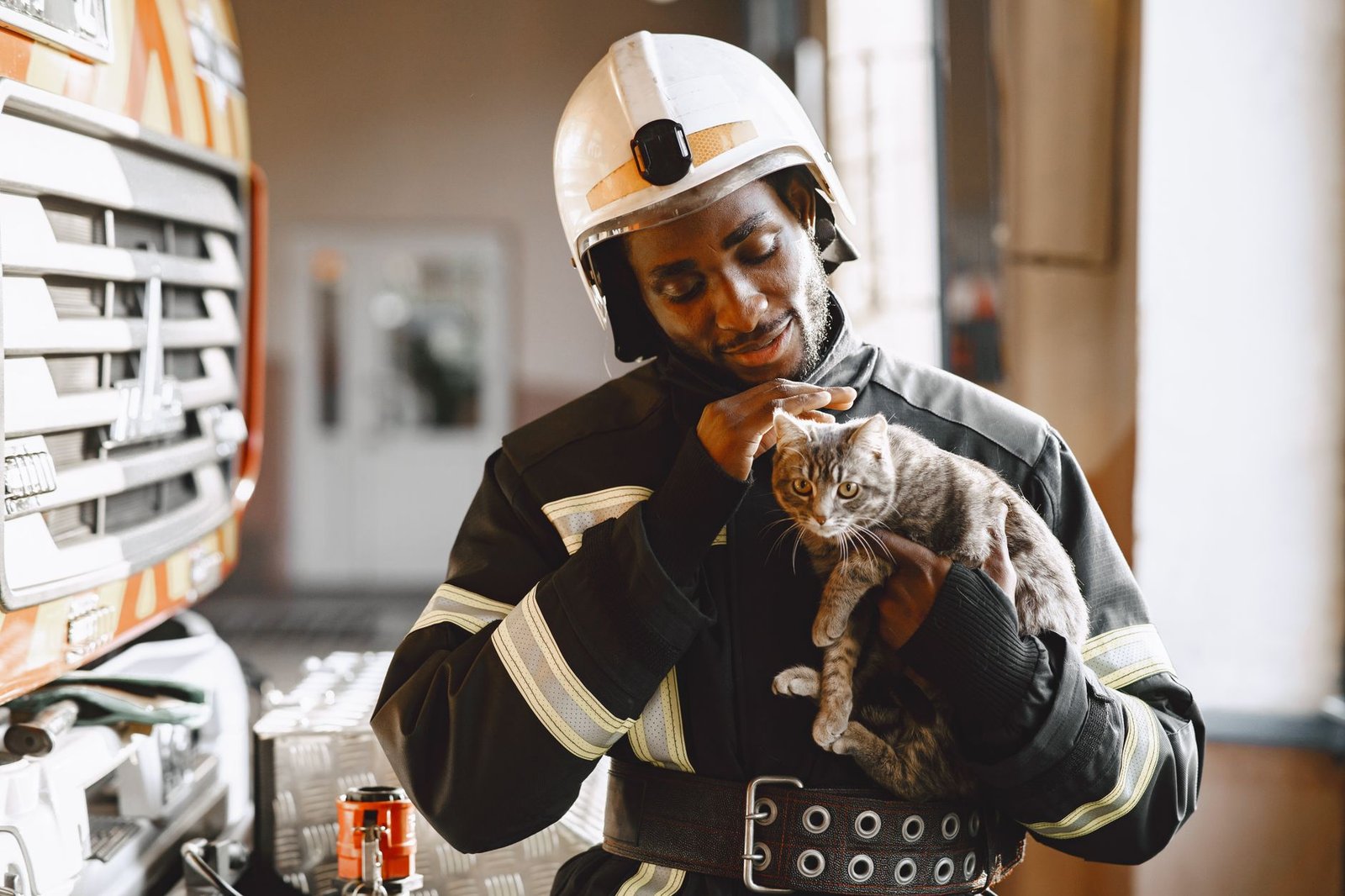
Fall is peak wildfire season in the East Bay, when hot, dry Diablo winds bring Red Flag Warnings and planned power shutoffs. On those days, keep pets indoors, set carriers out and load the car early. If an evacuation order comes, a household that has practiced gets every pet out far faster.
Why September to November is the risky stretch
By early fall the grass on the hills around Walnut Creek has been dry for months. When strong, dry winds blow in from the northeast, a spark can travel fast, and the National Weather Service issues a Red Flag Warning. Utilities may also switch off power in high-risk areas ahead of the wind, which can leave homes without electricity for a day or more.
Most of the time nothing happens. But evacuations in the Bay Area have moved quickly in recent years, and the households that manage best with pets are the ones that did the thinking on a calm day.
Once, on a calm day
- Sign up for your county’s emergency alerts and learn which evacuation zone your home is in.
- Check each pet’s microchip registration against your current phone number, and put a tag on every collar.
- Pack a pet go bag: three to seven days of food, bottled water, collapsible bowls, a leash, waste bags, litter and a disposable tray, a towel, a printed photo of each pet, and a note of anything your pet needs every day, with a week’s supply packed alongside.
- Practice the manual release on your garage door. An electric opener may not work in a power shutoff if its backup battery is dead or missing, and a car stuck behind a closed garage door can stall an evacuation. Try it now, while it is not urgent.
- Choose a destination: friends or family outside the area, or a pet-friendly hotel. Not every shelter can take animals.
- Pick a neighbor buddy. Swap keys and pet details so whoever is home can get the other’s animals out.
When a Red Flag Warning is issued
Take the warning itself as the signal to get organized, not the evacuation order.
- Bring cats in and keep them in. A cat who is out when the order comes may not be found in time.
- Close off hiding places such as under beds and behind appliances, so you are not searching for a cat under the house when minutes matter.
- Set carriers out, doors open, in the room where the cat is.
- Put the go bag in the car, fuel or charge the car, and back it into the driveway facing out.
- Keep dogs on a leash for bathroom breaks. Smoke, sirens and wind unsettle even calm dogs.
During a power shutoff
Outages often come on hot, dry days. Keep pets in the coolest room of the house, with curtains closed and plenty of fresh water. Older dogs and flat-faced breeds overheat more easily, so watch for heavy panting that does not settle, and phone us right away if it does not ease once your dog is somewhere cooler.
If anything your pet relies on needs refrigeration, plan how you will keep it cold, and ask us ahead of time how long it can safely go without. Keep a flashlight beside the carriers, and keep phones charged in the car if the house goes dark.
When the evacuation order comes: a practiced routine
- Cats first. They sense stress and hide. Get them into carriers before anything else.
- Dogs on harness and leash. A harness is harder to slip than a collar when a dog panics.
- Carriers and dogs into the car, with the go bag.
- Go. If you feel unsafe, leave before any order arrives. Leaving early is always the right call with animals.
If you truly cannot find a pet and have to leave, put out food and water, leave a note on the front door saying which animals are still inside, and tell animal services as soon as you are safe. If there is a pet you cannot take with you, leave them indoors with food and water, never tied up outside.
Senior pets, and owners who could use a hand
Lifting a heavy carrier or helping a stiff older dog into a car takes longer than people expect. Plan for it. A wheeled carrier, a ramp for the car, or a towel slung under the belly to support the back end can make the difference. If lifting is hard for you, arrange now for a neighbor to help. Our guide to mobility in senior pets in Walnut Creek has more on supporting a stiff older dog day to day.
Coming home
Wait until officials say it is safe. Ash on floors and patios irritates paws, and pets can swallow it while grooming, so wipe paws and keep pets out of burned areas. Refill water bowls with fresh water, using bottled water if officials have issued a water advisory. Expect some clinginess, hiding or accidents for a few days, and keep routines steady.
When to call us
Phone our urgent care team if your pet is coughing, breathing fast or with effort, has red or watery eyes, has burned or blistered paw pads, or is weak or not eating. When we are closed, which is before 8:00 AM, after 7:00 PM and all day Sunday, go to the nearest open emergency hospital. Shelters, hotels and boarding facilities may ask for proof of vaccination, and our pet care services team can update records and check microchips before fire season peaks.
Frequently asked questions
Should I wait for an evacuation order before leaving with my pets?
No. An order is the latest point to leave, not the earliest. With animals, leaving early is safer and far less stressful, and it means you are not searching for a cat as the smoke arrives.
My cat disappears the moment the carrier comes out. What can I do?
Leave the carrier out all the time with a soft blanket inside, and feed your cat near it. On Red Flag days, keep your cat in a single room with the carrier so there is nowhere to vanish to.
What if I am not home when an evacuation order is issued?
That is what the neighbor buddy is for. Make sure they have a key, know where your pets hide and where the carriers are, and have your phone number.
Can I leave my dog in the yard if I cannot take him?
No. Please do not leave a dog in the yard or tied up outside. If you absolutely cannot take a pet, leave them indoors with food and water, put a note on the front door, and tell animal services where they are as soon as you can.
Does wildfire smoke affect pets even if we are not evacuated?
Yes. Keep pets indoors with windows closed on smoky days, limit walks, and phone our medical services team if you notice coughing, fast breathing or unusual tiredness.
How much food and water should the go bag hold?
Three days at a minimum, and a week if you can. Replace the food and water every few months so nothing goes stale.
Speak to the team at Rossmoor Pet Hospital
If your pet has been affected by smoke or an evacuation, phone us, or go to the nearest open emergency hospital on Sundays and after 7:00 PM.
Published by the team at Rossmoor Pet Hospital.
This article is for general educational purposes only and is not a substitute for an in-person veterinary examination or advice about your individual pet. If you have an urgent concern about your pet, contact Rossmoor Pet Hospital or your nearest emergency veterinary hospital right away.
Rossmoor Pet Hospital
1910 Tice Valley Blvd, Walnut Creek, CA 94595
Phone: (925) 322-2262
Email: rossmoorph.staff@gmail.com
Hours: Monday to Saturday 8:00 AM to 7:00 PM; Sunday closed